
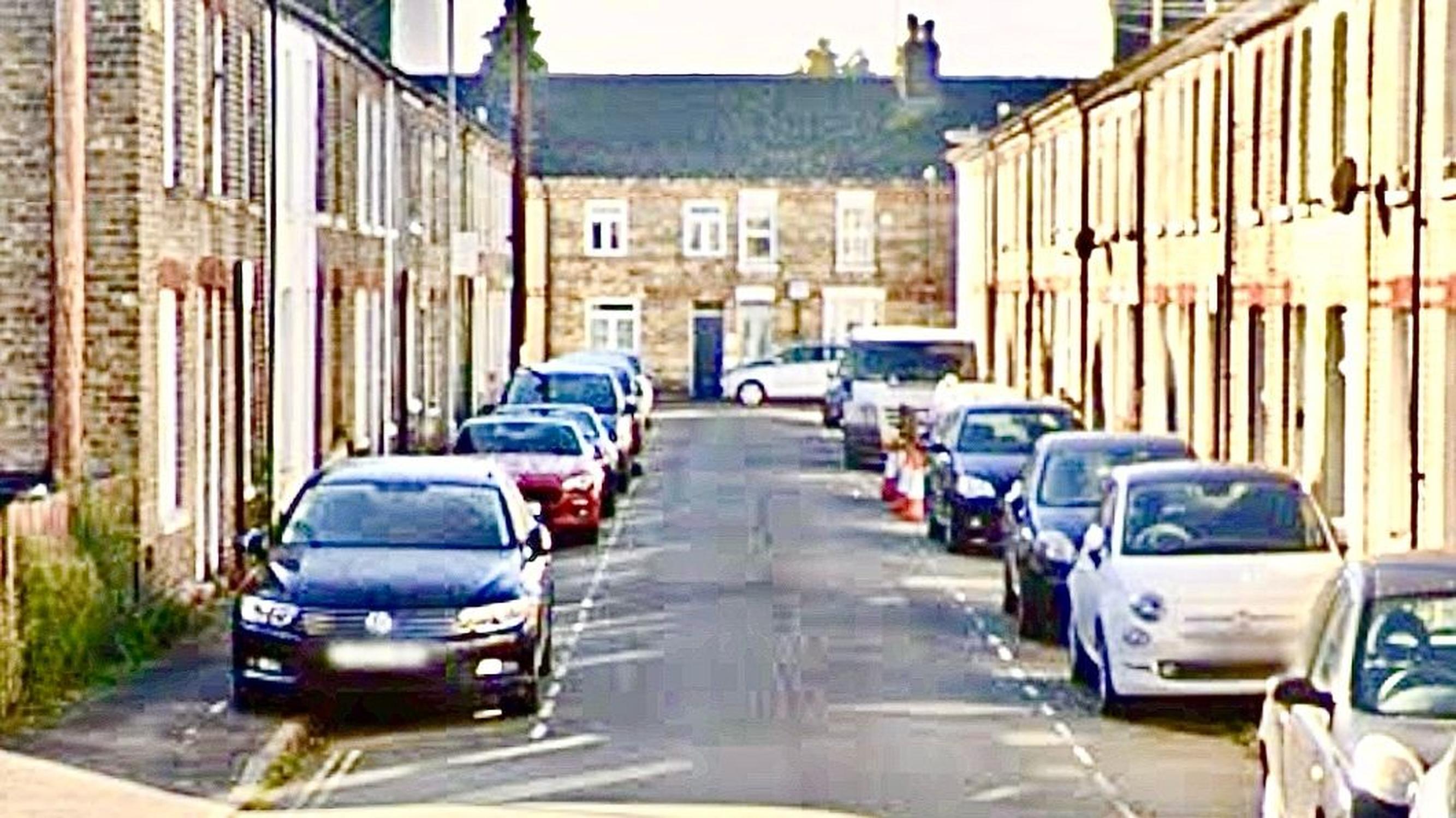

For years, my neighbours parked on the pavement outside my home in Cambridge. Pushchairs and wheelchairs struggled to get by. Bin day was an obstacle course. On-street markings and regulations enabled them to get by.
Under new powers announced by the UK government this week, the residents of streets like this across Cambridge and other cities will still be able to park on pavements. Instead of a national presumption against pavement parking, it will be up to local authorities to determine where cars can’t park on pavements and, by default, where they can.
After five years of thinking about how to respond to the thorny issue of pavement parking, the government this week announced its favoured approach. Following a public consultation conducted as far back as 2020, the Department for Transport has confirmed that local leaders will be given new legal powers to make it easier to restrict pavement parking across wider areas.
Local authorities like Cambridge City Council in conjunction with Cambridgeshire County Council, will be given powers to introduce pavement parking restrictions across their areas, helping keep them clear and accessible for everyone who uses them, while allowing exemptions where needed.
The current approach in England sees action often limited to individual streets, and requires lengthy, complex consultation processes.
From the perspective of our work through the People, Places & Parking Process, it seems right that such decisions about how we manage our streets and enable access to our towns and cities is down to local choices. Perhaps though, the presumption should be that pavement parking is not allowed, except in clearly marked, exempted areas.
Five years on, this week’s government announcement is still only clarification of last year’s evidence review and an indication of government guidance that will follow later in 2026. Sometimes it seems that the wheels of government move as slow as a pushchair navigating those Cambridge streets!
Chris Wade is director of the People & Places Partnership

TransportXtra is part of Landor LINKS

© 2026 TransportXtra | Landor LINKS Ltd | All Rights Reserved
Subscriptions, Magazines & Online Access Enquires
[Frequently Asked Questions]
Email: subs.ltt@landor.co.uk | Tel: +44 (0) 20 7091 7959
Shop & Accounts Enquires
Email: accounts@landor.co.uk | Tel: +44 (0) 20 7091 7855
Advertising Sales & Recruitment Enquires
Email: daniel@landor.co.uk | Tel: +44 (0) 20 7091 7861
Events & Conference Enquires
Email: conferences@landor.co.uk | Tel: +44 (0) 20 7091 7865
Press Releases & Editorial Enquires
Email: info@transportxtra.com | Tel: +44 (0) 20 7091 7875
Privacy Policy | Terms and Conditions | Advertise
Web design london by Brainiac Media 2020
