
At EVA England, we know that the transition to electric vehicles (EVs) isn’t just about the cars, it’s about the confidence to drive them. To help with that, we need the right charging infrastructure to be built in the right places – and that drivers can find.
This quarter, we have focused on both. Through the National Planning Policy Framework consultation, we are pushing for planning rules that properly support the roll-out of charging infrastructure.
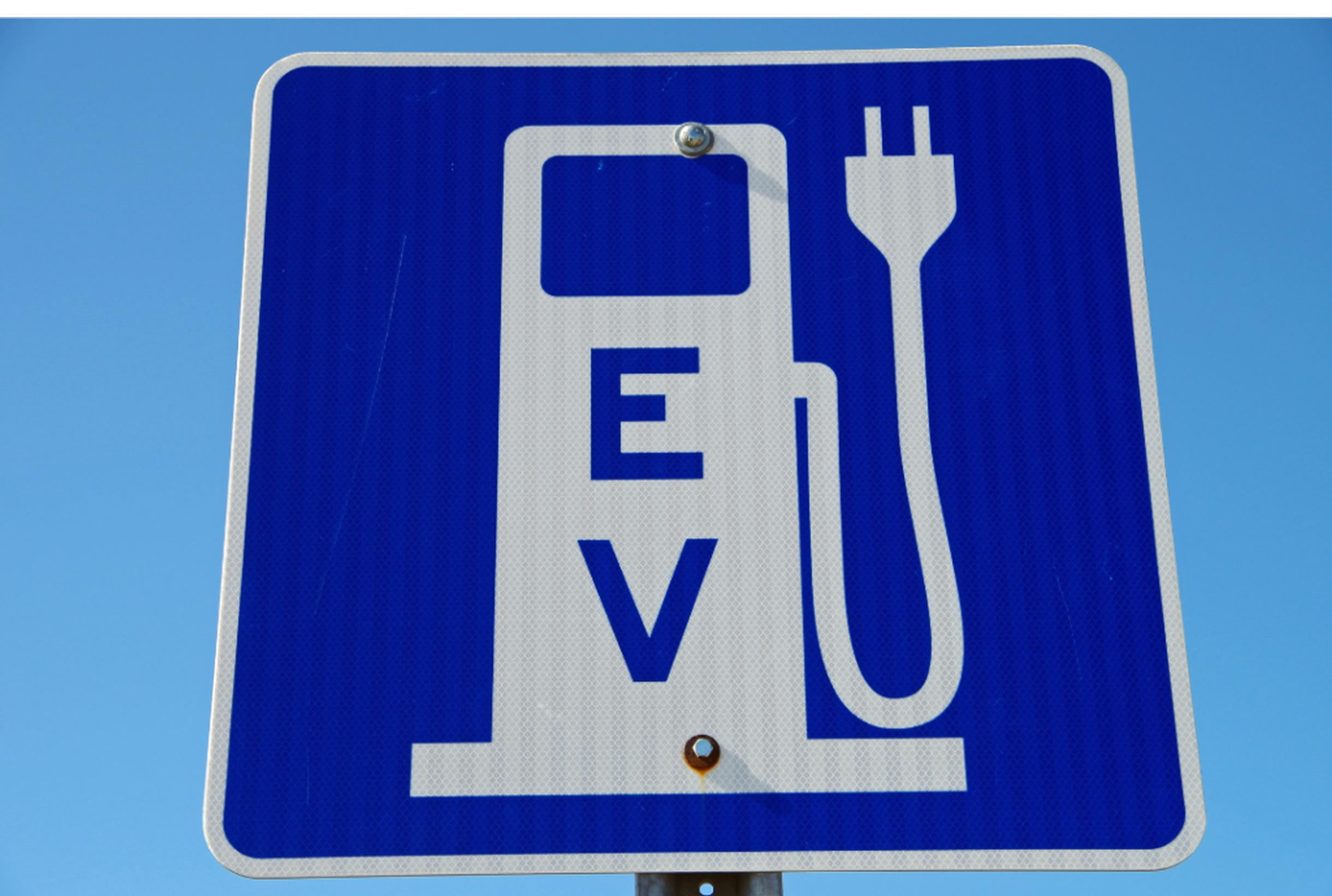
And through the Department for Transport’s call for evidence on signage, we are making the case for clear, consistent signs that help drivers find it.
The National Planning Policy Framework (NPPF) is the high level rule book for planning in England. It provides guidance for local planning authorities and developers on how to build developments and infrastructure sustainably and effectively, and in line with government policy.
It is therefore imperative that it reflects wider national government policy on decarbonisation, including for the transition to electric driving. At EVA England, we believe that means explicitly mentioning and supporting the rollout of critical EV charging infrastructure – something the NPPF does not yet do.
Domestic transport is responsible for 30% of greenhouse gas emissions, and road transport contributes around 90% of that. Road transport is also responsible for a substantial proportion of air quality emissions. Achievement of a successful and sustainable transition to electric vehicles will therefore be central to ensuring that the populations of our towns and cities have clean air to breathe, as well as to achieving the government’s decarbonisation and net zero goals.
To support the transition to electric vehicles, an affordable and accessible nationwide charging infrastructure is needed.
EVA England has therefore stipulated that the NPPF must include provisions that support the need for adequate space to install accessible chargepoints, and to support the installation of the required electricity connections and infrastructure to ensure all residents, employers and employees can access charging for their vehicles – whether this is for private off-street charging or public charging, including cross pavement solutions.
Charging infrastructure is the critical ‘re-fuelling’ infrastructure of the future, and the government’s planning frameworks must support its roll-out.
The DfT call for evidence on signage
EVA England survey results show that range anxiety is still a perceived barrier to switching to electric for 48% of non EV drivers, and a quarter of non EV drivers believe there is not sufficient charging infrastructure available. This is in large part down to drivers not knowing the infrastructure is there – they don’t know what it looks like and they don’t know how to find it.
Standard, clear charging signage on motorways and at motorway service areas, across the wider strategic road network, and at local level – demonstrating that chargepoints are there and available – is vital to overcoming what is one of the key barriers still holding back the EV transition.
It is also imperative that road signage works for current EV drivers, and is future proofed for a time when EVs will become the dominant type of passenger car transport. There are nearly two million EVs on the road and climbing.
The Zero Emission Vehicle (ZEV) Mandate will drive new EV sales towards 80% fully electric within the next four years, and the used EV market will pick up pace.
Drivers need to be able to find EV chargepoints easily, whether they have or do not have access to smart technology within the car or on their phones.
The Department for Transport launched a call for evidence this quarter, asking for views on the need for – and barriers to – roll out of chargepoint signage across the road network.
The key points made in the EVA England response to this call for evidence are:
Motorway and Strategic Road network signage:
Current motorway signage serves the petrol and diesel market only, and not the current or future EV market. Signage at motorway service areas for EV chargepoints is either absent entirely or too hard to spot.
EV drivers are subsequently experiencing an added level of burden and inconvenience over petrol and diesel drivers – they are being asked to experience a poorer standard. EV drivers report having to find the rough location of a chargepoint through their phone or the smart technology in their car, and then drive around until they spot the chargers themselves.
It is absolutely critical that EV infrastructure – the main refuelling infrastructure of the future – is properly signposted so that is clear that it is there and available for EV drivers. It is also critical that this signage is standardised across the UK, and that it serves the needs of drivers – that it is clear, and that, if possible, it provides them with necessary information on chargepoint availability, accessibility and connection processes and pricing.
The local road network:
The problems drivers face on the strategic road network are exacerbated on local roads where space is more restricted, local authority appetite to support the EV transition inconsistent and mixed, and planning permissions appear to present a bigger barrier:
Whilst we continue our work on what ‘good’ signage looks like for an EV driver, at a minimum:
Vicky Edmonds is chief executive of EVA England

TransportXtra is part of Landor LINKS

© 2026 TransportXtra | Landor LINKS Ltd | All Rights Reserved
Subscriptions, Magazines & Online Access Enquires
[Frequently Asked Questions]
Email: subs.ltt@landor.co.uk | Tel: +44 (0) 20 7091 7959
Shop & Accounts Enquires
Email: accounts@landor.co.uk | Tel: +44 (0) 20 7091 7855
Advertising Sales & Recruitment Enquires
Email: daniel@landor.co.uk | Tel: +44 (0) 20 7091 7861
Events & Conference Enquires
Email: conferences@landor.co.uk | Tel: +44 (0) 20 7091 7865
Press Releases & Editorial Enquires
Email: info@transportxtra.com | Tel: +44 (0) 20 7091 7875
Privacy Policy | Terms and Conditions | Advertise
Web design london by Brainiac Media 2020
