
Transport for London’s draft business plan sets out its programme for the future of London’s transport network.
The new document covers TfL’s plans and investment priorities to 2029/30. It sets out how TfL will deliver changes to its services and seek to improve the experience passengers, drivers, cyclists and pedestrians in London.
The business plan also outlines TfL’s ambitions to deliver greener city, create high-quality jobs, deliver more affordable housing and boost economic growth.
The plan will support the Mayor of London’s plans to transform Oxford Street and the recently confirmed proposals for Docklands Light Railway (DLR) extension to Thamesmead via Beckton Riverside.
It also makes the case for schemes across London such as the Bakerloo line Extension, making Great Northern services from Moorgate to Stevenage and Hertford North part of London Overground, and developing the West London Orbital – a new London Overground route between Hounslow and Hendon via Old Oak Common using existing under-used freight lines.
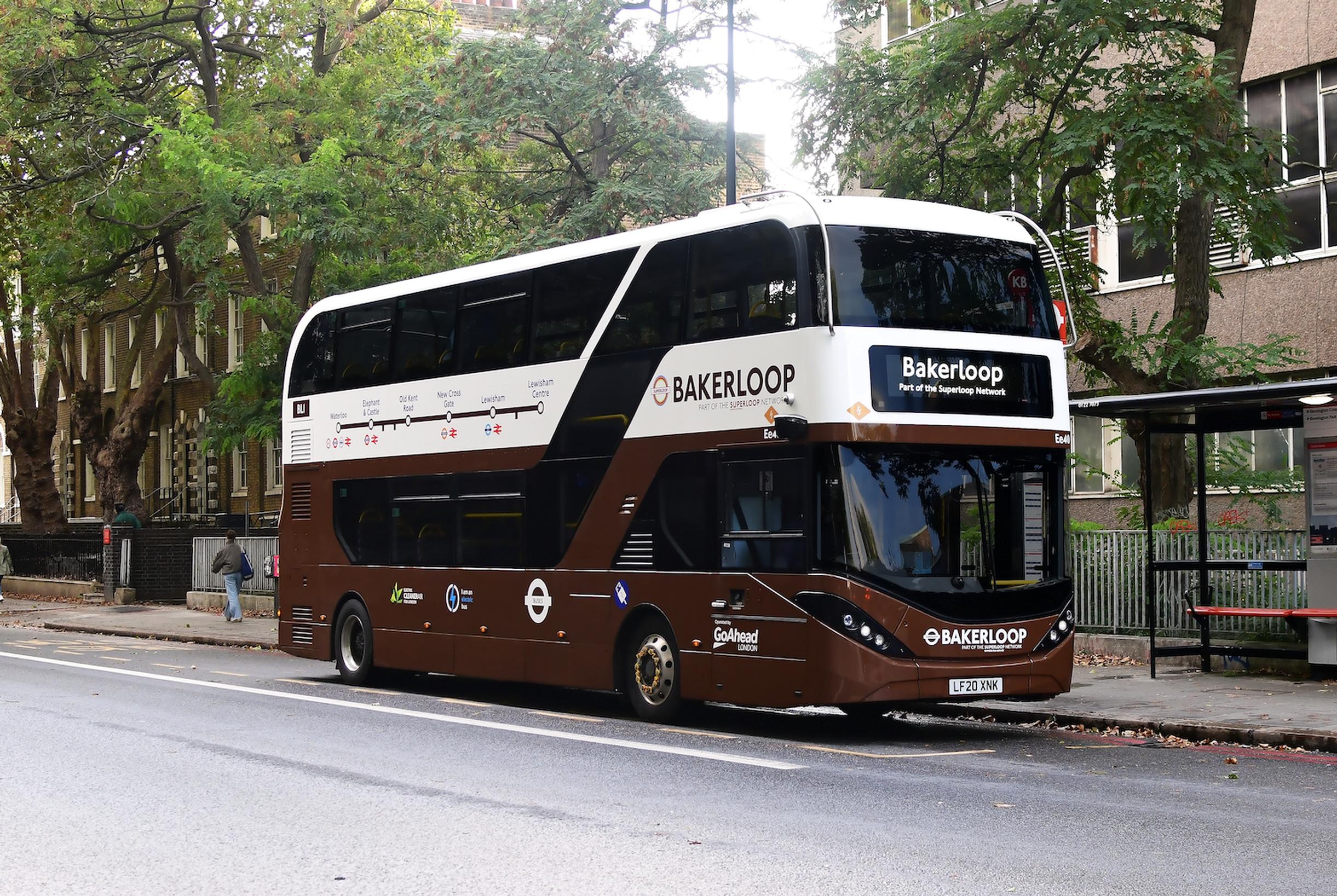
TfL wants to reimagine London’s bus network, expanding the Superloop network to further improve connectivity across outer London, and introducing bus priority measures traffic signal technology to cut delays and improve reliability.
Bus services will be expanded in outer London, with changes made to some central and inner London services to align with changing levels of demand in those areas.
TfL will also invest in a new generation of bus shelters and improved real-time information for customers.
TfL will continue electrifying its bus fleet, with around two-thirds due to be zero-emission by the end of the plan, and the whole fleet made zero-emission as quickly as possible after that.
Work will progress on developing detailed proposals for a new publicly owned bus company for London.
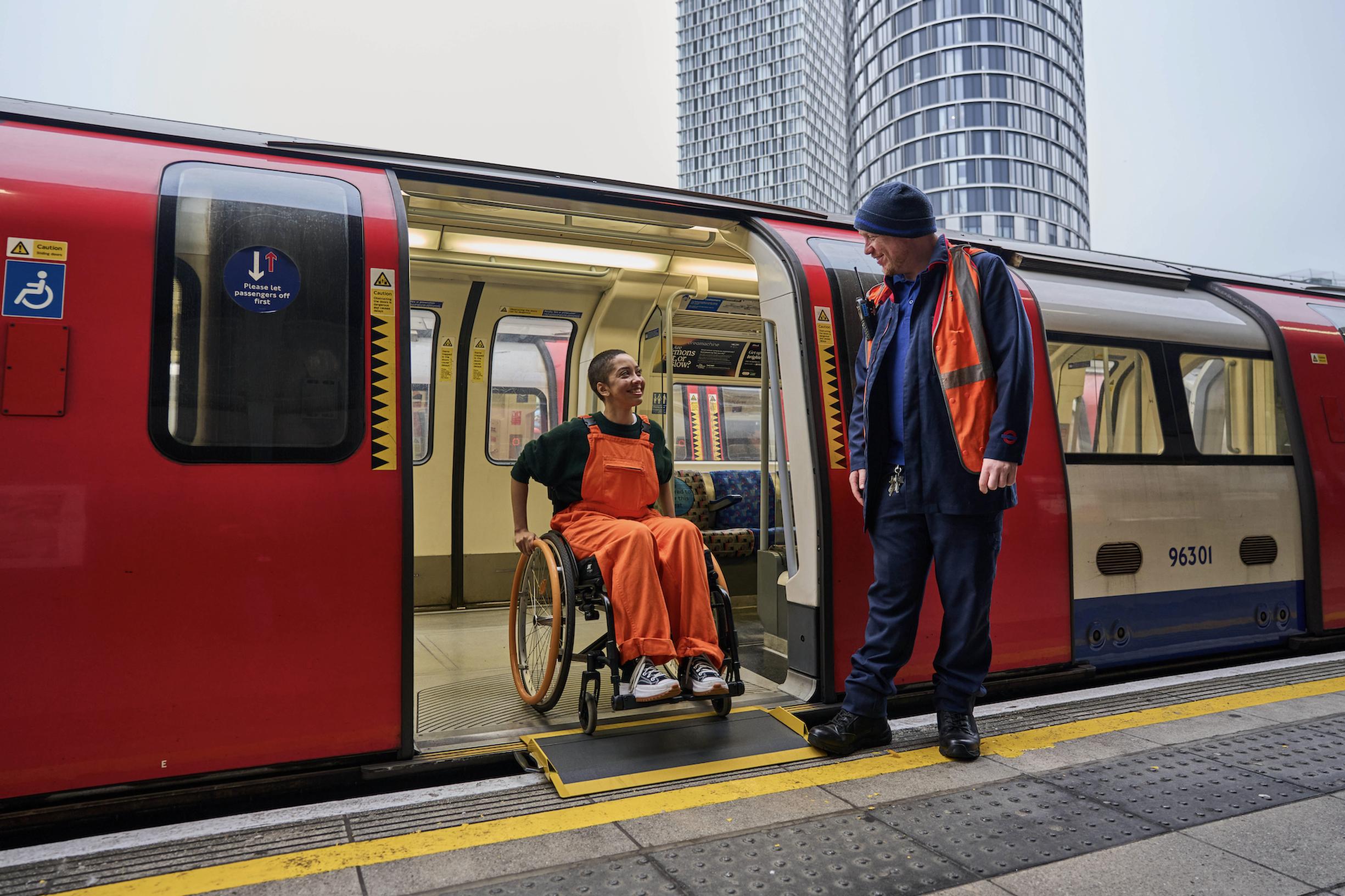
TfL plans to modernise rail stations across London. It will also complete the upgrade of Elephant & Castle Tube station and – subject to final funding – work to transform the nationally important South Kensington station.
TfL aims to complete the transformation of Northolt and Leyton stations to provide step free access for the first time. The Mayor’s aim is that 50% of Underground stations being made step free.
The plan sets out investment in London’s transport infrastructure. This includes the completion of new signalling on the District and Metropolitan lines, progressing plans for a new Bakerloo line fleet, new train fleets on the Piccadilly line and DLR, additional trains on the Elizabeth line, the complete refurbishment of the Central line fleet and the replacement of TfL’s ageing tram fleet.
The draft plan includes the new programme of work to cut congestion and transform how the capital’s streets operate over the next five years. This includes delivering systems and infrastructure upgrades to optimise traffic flow, improve safety and support sustainable travel. Subject to government support, TfL’s pioneering Lane Rental scheme will also be expanded across London’s boroughs to cut congestion and delays.
TfL will also deliver more sustainable urban drainage systems (SuDS) to support biodiversity while building resilience against extreme weather events It will invest in supporting clean and healthy waterways, protecting London’s overburdened drainage system and rivers.
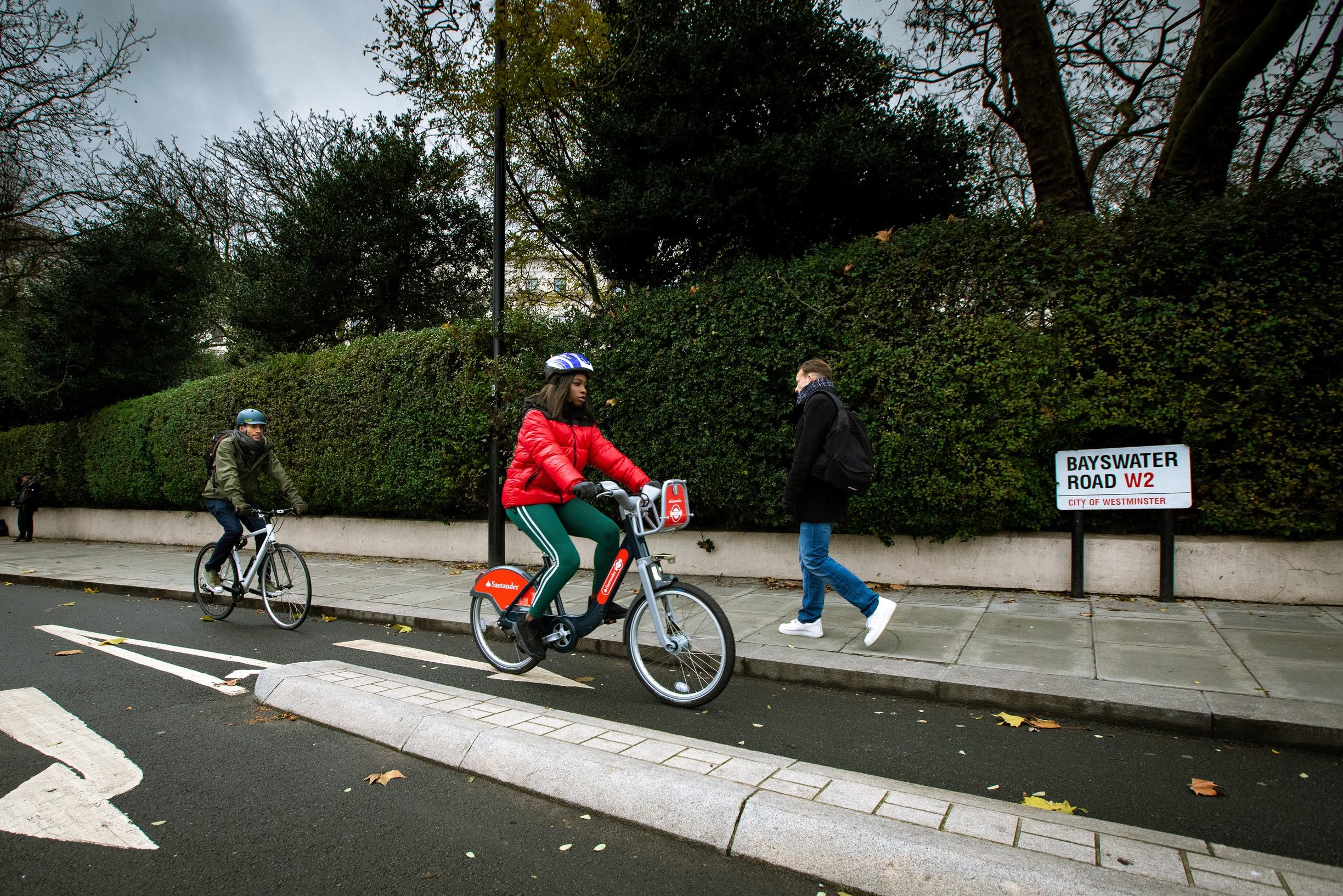
Cycling in London has significantly increased in London, which now has more than 430km of cycle routes. The business plan sees investment in safer streets making life-saving changes on some of the capital's most dangerous roads and junctions.
Transport for London will invest in further improvements to the customer experience of Santander Cycles and consider its role in maximising the benefits that dockless e-bike rental.
TfL will also invest more than £90m a year through the boroughs to make streets safer, deliver new bus priority schemes, expand the cycle network, increase cycle parking, and maintain roads and bridges.
TfL will continue to work to eradicate death and serious injury from the transport network. It is publishing an updated Vision Zero Action Plan and undertaking work to eliminate incidents on the roads, on the bus network and at stations.
Investment will be made to modernise CCTV systems and safety cameras across the TfL network to ensure they act as a deterrent to crime and anti-social behaviour such as graffiti and fare evasion. It will also build on recent improvements to how customers can report safety concerns when they use the network.
TfL will also improve its website and digital tools, such as the TfL Go app, to make it easier for customers to plan their journeys across London.
The draft plan sets out how TfL will explore how fare innovation and loyalty and reward schemes could deliver greater value for customers, while increasing ridership and revenue that can be reinvested back into improving public transport.
London’s Transport Commissioner, Andy Lord, said: “Our new business pPlan is an ambitious programme for the future of London’s transport network. We have achieved significant progress on the commitments previously made, and this plan lays out our vision for the transport network.
“This new plan sets out sustained investment in London’s vital transport infrastructure, which will improve the experience for millions of Londoners and visitors. It will see us increase investment in the vital renewal of our critical assets like stations, lifts and escalators, track, roads, bridges and other infrastructure. We will also make more stations step-free, reduce delays on our buses and road network, and continue to improve safety for everyone using our services.
“Our investment will also support the wider London and UK economy, unlocking new homes and jobs through the delivery of new trains and infrastructure, reduced journey times and new innovations. Most importantly – this plan reflects the voices of our customers, businesses and colleagues, who have told us what is most important to them – services that are safe, accessible, frequent, reliable, green and as affordable as possible.”
Mayor of London Sadiq Khan said: “I’m hugely proud of what we have achieved improving transport across London over the last 10 years, but we must never be complacent, so this plan sets out sustained investment to continue making it safer, greener and fairer for everyone.
“I’m pushing forward with my proposals to transform Oxford Street into a pedestrian-friendly, world-class retail & leisure destination, as well as supporting the delivery of new affordable housing and jobs with the DLR extension to Beckton Riverside and Thamesmead, following Government backing in the Autumn Budget.
“We’re also continuing our work to modernise the Tube, cut congestion and bus journey times, improve safety and accessibility across the transport network, invest in high-quality walking and cycling infrastructure and eliminate death and serious injury from London’s roads.
“We know that investing in our transport network not only supports jobs and economic growth in London but also benefits the whole UK, which is why I'll continue to make the positive case for longer-term projects that could transform the future of transport in the capital as we continue building a better London for all.”
The draft Business Plan will be considered by the TfL Board on 4 February 2026.

TransportXtra is part of Landor LINKS

© 2026 TransportXtra | Landor LINKS Ltd | All Rights Reserved
Subscriptions, Magazines & Online Access Enquires
[Frequently Asked Questions]
Email: subs.ltt@landor.co.uk | Tel: +44 (0) 20 7091 7959
Shop & Accounts Enquires
Email: accounts@landor.co.uk | Tel: +44 (0) 20 7091 7855
Advertising Sales & Recruitment Enquires
Email: daniel@landor.co.uk | Tel: +44 (0) 20 7091 7861
Events & Conference Enquires
Email: conferences@landor.co.uk | Tel: +44 (0) 20 7091 7865
Press Releases & Editorial Enquires
Email: info@transportxtra.com | Tel: +44 (0) 20 7091 7875
Privacy Policy | Terms and Conditions | Advertise
Web design london by Brainiac Media 2020
