
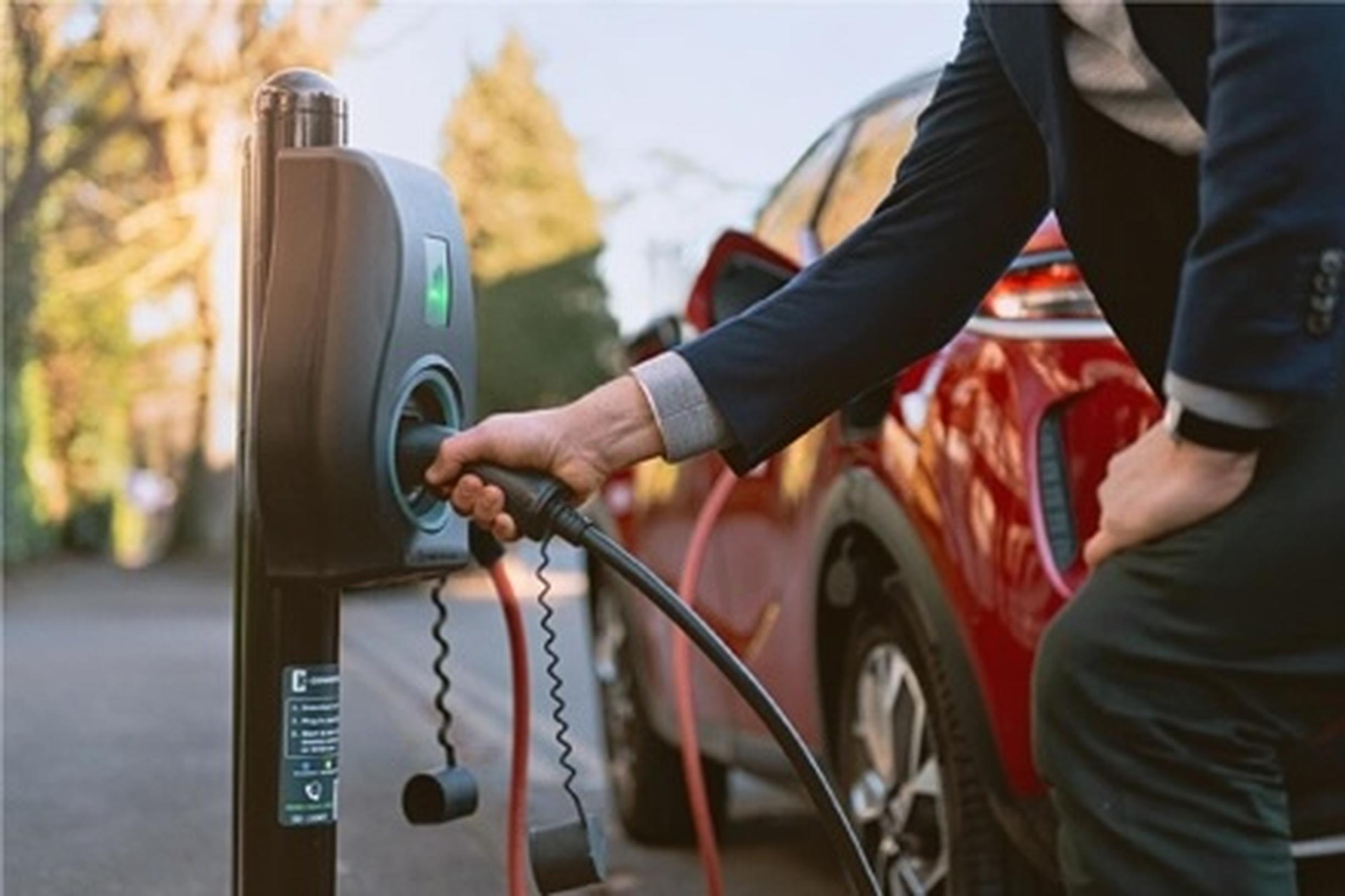
Electric vehicle chargepoint operators (EVCPOs) can now use street works permits to install chargepoints and related equipment on the public highway as a result of changes introduced in 2025.
The Department for Transport has published guidance explains the changes, including:
The good practice guidance is aimed at highway authorities and electric vehicle chargepoint operators installing electric vehicle (EV) chargepoints on the public highway.
Previously, EV chargepoint installations were carried out under section 50 of the New Roads and Street Works Act 1991 (NRSWA), requiring organisations without statutory rights, including EVCPOs, to obtain a street works licence from each relevant highway authority.
In contrast, statutory undertakers such as utility companies have long been able to carry out works using street works permits under the Traffic Management Act 2004.
Legislative changes introduced through the Planning and Infrastructure Act (PIA) 2025 now grant EVCPOs the right to carry out the street works using the permitting regime. Amendments to the Traffic Management Permit Scheme (England) Regulations 2007 (2007 Permit Regulations) ensure that EVCPOs are included within the definition of ‘undertaker’ for operational and enforcement purposes.
The guidance sets out what these changes mean in practice. It:
Previously, EVCPOs needed section 50 licences under NRSWA, which could take many weeks or months to process, cost significantly more and required separate local arrangements. Now EVCPOs may use the nationally standardised street works permit regime, using Street Manager for all applications, with consistent fees and statutory response times. This streamlines installation and supports the rapid expansion of EV chargepoints.
A street works permit is required for any works associated with installing public EV charge points where the work involves breaking or opening the highway.
Planning permission, where required, must be secured separately and before applying for a permit.
Street Manager is a DfT-managed digital platform for planning, managing and coordinating street works. To access Street Manager, organisations need to be issued with an Street Works Act (SWA) code by GeoPlace.
EVCPOs with an SWA code must submit permit applications through Street Manager.
CPOs must ensure staff are familiar with Street Manager training material and tutorials.
Undertakers and authorities must coordinate works and cooperate (sections 59 and 60 of NRSWA). This requires early engagement before permit submission.
Coordination and agreement on the location of EV chargepoints should be determined before an application is made, through engagement, planning, site surveys, and integration with local EV strategies.
Permit applications should reflect pre-application engagement as authorities may refuse permits where applications diverge from earlier coordination and agreement.
Permit applications must include detailed descriptions of:
Authorities must provide responses within statutory timeframes as laid out in statutory guidance – typically 2 to 5 working days.
Permit refusal codes may be used for insufficient information, lack of prior agreement, or other valid reasons consistent with statutory guidance.
Highway authorities have a duty to:
The permit application is not designed to control the location of apparatus, which must be determined separately during early engagement and planning consideration.
EVCPOs now fall under the same enforcement regime as statutory undertakers for permit purposes. Working without a permit or breaching permit conditions are serious offences that can result in disruption for road users, increased congestion and risks to safety.
Timely submission of works start and stop notices is essential to ensure that up?to?date information is available to road users, helping to reduce congestion and the impact of works on services such as bus routes.
Timely notification of reinstatements enables highway authorities to:
Highway authorities may issue fixed penalty notices (FPNs) for these offences, providing an alternative to criminal prosecution.
The FPN for late notification of reinstatements, late works start and stop notices, and breaches of permit conditions is £240, discounted to £160 if paid within 29 days. For working without a permit, the FPN is £1,000, discounted to £600 if paid within 29 days.
Highway authorities carry out routine and targeted inspections of street works to check compliance with safety requirements and technical standards. These inspections assess whether works comply with:
A performance-based inspections regime operates to assess and monitor compliance, with poorer performers subject to more frequent inspections than those demonstrating high levels of compliance. Undertakers are responsible for the cost of each inspection.
For serious or repeated safety breaches, or where an FPN is not paid, highway authorities may pursue criminal prosecution under NRSWA. This is typically reserved for more serious cases where there is significant risk to public safety or persistent non-compliance.
Under section 74 of the NWRSA 1991, highway authorities may also charge undertakers for occupation of the highway where works are unreasonably prolonged.
These overrun charges vary depending on the type of road and the number of days overrun and can be up to £10,000 per day.
EVCPOs remain responsible for the chargepoints they install, including ensuring the apparatus is kept in efficient condition under NRSWA duties. Public Charge Point Regulations 2023 further impose reliability reporting, 24/7 helpline requirements, and enforcement mechanisms.
There is no operator-of-last-resort regime. However, assets retain commercial value and in the rare case of market failure, government would expect that these assets would be proactively integrated into competitors’ networks.

TransportXtra is part of Landor LINKS

© 2026 TransportXtra | Landor LINKS Ltd | All Rights Reserved
Subscriptions, Magazines & Online Access Enquires
[Frequently Asked Questions]
Email: subs.ltt@landor.co.uk | Tel: +44 (0) 20 7091 7959
Shop & Accounts Enquires
Email: accounts@landor.co.uk | Tel: +44 (0) 20 7091 7855
Advertising Sales & Recruitment Enquires
Email: daniel@landor.co.uk | Tel: +44 (0) 20 7091 7861
Events & Conference Enquires
Email: conferences@landor.co.uk | Tel: +44 (0) 20 7091 7865
Press Releases & Editorial Enquires
Email: info@transportxtra.com | Tel: +44 (0) 20 7091 7875
Privacy Policy | Terms and Conditions | Advertise
Web design london by Brainiac Media 2020
